
Seasonal guide · 5 min read
Get your Sub-Zero ready before Napa's harvest crush
Late summer in the valley is the worst time for a built-in to quit. A Napa owner's pre-crush checklist for the Sub-Zero that's about to work overtime.
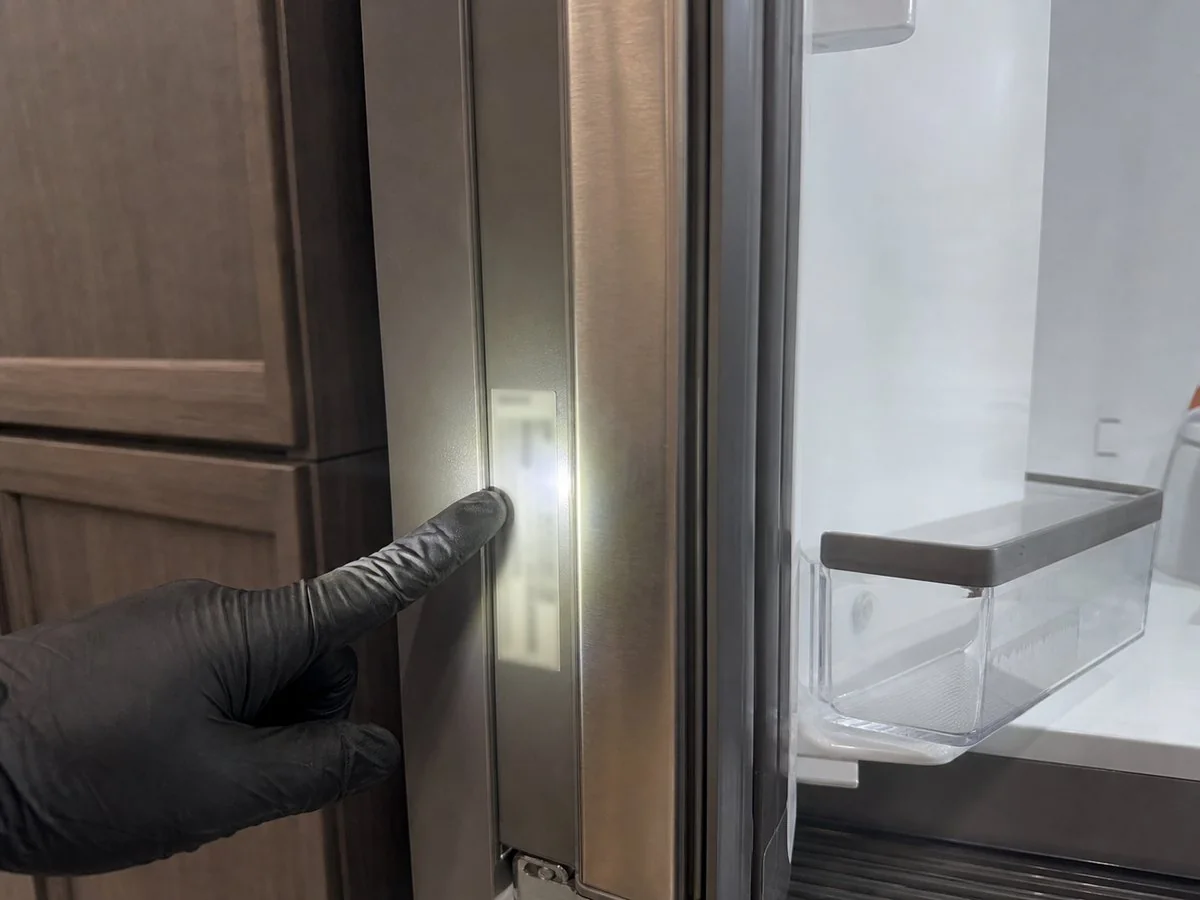
From late August through the October crush, a Napa kitchen does more entertaining than the rest of the year combined. Tasting-room guests come back to the house, the second refrigerator in the garage fills with overflow, and the built-in in the main kitchen runs full and gets opened twice as often.
It's also the warmest stretch of the year on the valley floor — and that combination is exactly when a Sub-Zero that has been quietly struggling finally can't keep up. A half-hour of attention before the season is the cheapest insurance there is.
Clear the condenser before the heat arrives
A built-in sheds heat by pulling room air across the condenser behind the upper grille. Through the dry, dusty valley summer that coil loads up faster than most owners expect, and a clogged coil forces the compressor to run longer and hotter precisely when the afternoon kitchen is already warm. Pull the grille, vacuum the coil and the fan, and you give the unit back the headroom it needs to hold temperature through a full house. This is the single highest-value thing you can do before harvest.
Check the gaskets and the door swing
A built-in that gets opened constantly during entertaining lives or dies on its door seal. Run a hand along the gasket — if it feels stiff, cracked, or you can see daylight at a corner, the unit is fighting warm valley air on every cycle. A tired gasket on a fridge near downtown's foggier riverfront blocks will sweat and frost; one out on a sun-exposed valley-floor kitchen will just run the compressor ragged. Either way it's a bounded, inexpensive fix that pays for itself across one busy season.
Don't ignore the wine column or the second unit
Harvest is when the dedicated wine storage matters most, and it's also the unit owners check least. Confirm it's holding its set point and that its own condenser is clean — a wine column shares the same airflow weaknesses as the refrigerator. The same goes for the overflow unit in the garage or out-building, which often sits in a hotter, dustier spot than anything indoors and is the first to fail under load.
FAQ
Questions & answers
When should I schedule pre-harvest maintenance?
Aim for July or early August, before the valley's hottest weeks and before the entertaining season starts. That leaves time to order a gasket or part if the visit turns one up.
My garage backup fridge runs hot in summer — is that normal?
A hotter ambient makes any unit work harder, but a built-in that can't hold temperature in a warm Napa garage usually has a loaded condenser or a weak seal. It's worth a look before it gives out mid-harvest.
Go deeper
More Napa guides
Reading the CLEAN CONDENSER Light on a Napa Sub-Zero
Sub-Zero's CLEAN CONDENSER light in Napa: how vineyard dust clogs the coil, the 6-to-12-month cleaning interval, and when warm-drift is a sealed-system fault.
Read the guide → Door Left Open Recovery · 4 minSub-Zero Door Left Open Overnight in Napa: What Happens and How It Recovers
Left your Sub-Zero door open overnight in Napa? Most units recover in 4-12 hours. What to check first, frost warnings, and when the sealed system needs help.
Read the guide → Repair guide · 6 minSub-Zero Wine Cooler Repair in Napa: how the dual-zone column actually fails
A field guide to the parts that break inside a Sub-Zero wine cooler — dual-zone sensors, the sealed system, fans, gaskets and UV glass — and when a Napa column is worth repairing.
Read the guide →Rather leave it to a specialist?
Have the failing compartment and model number ready, and you will get a real first opinion — not a sales pitch.